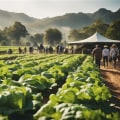
Agritourism is a unique blend of agriculture and tourism, where visitors engage in farm-related activities while enjoying the natural beauty of rural landscapes. This growing sector not only provides a source of income for farmers but also offers urban dwellers a chance to reconnect with the land and understand the origins of their food. By participating in agritourism services, guests can experience hands-on activities such as fruit picking, animal feeding, and farm tours, all while learning about sustainable farming practices. The importance of agritourism extends beyond mere economic benefits. It fosters a deeper appreciation for agriculture and promotes local food systems, encouraging consumers to support nearby farms.
Additionally, agritourism can enhance community engagement by bringing together locals and visitors, creating a vibrant atmosphere that celebrates rural culture. As more people seek authentic experiences away from the hustle and bustle of city life, agritourism stands out as a viable option that enriches both the visitor's experience and the farmer's livelihood. However, with the rise of agritourism comes the responsibility to ensure safety for both visitors and operators. Understanding the potential risks associated with farm activities is crucial for maintaining a positive experience. As we delve deeper into this topic, we will explore essential safety precautions that should be considered when engaging in agritourism services, ensuring that everyone can enjoy the benefits of this rewarding sector without compromising their well-being.
Identifying Potential Hazards in Agritourism
Agritourism offers unique experiences that connect visitors with the agricultural world, but it also presents various hazards that must be identified and managed to ensure safety.Understanding these potential risks is essential for both operators and visitors.
- Physical Hazards: Agritourism sites often involve working farms, which can pose physical dangers such as:
- Machinery Accidents: Visitors may encounter tractors, harvesters, and other equipment. Proper signage and barriers should be in place to keep guests at a safe distance.
- Slips and Falls: Uneven terrain, wet surfaces, and loose materials can lead to accidents. Regular maintenance and clear pathways are crucial.
- Animal Interactions: While animals can be a highlight of agritourism, they can also be unpredictable. Educating visitors on how to interact safely with livestock is vital.
- Environmental Hazards: The natural setting of agritourism can introduce environmental risks, including:
- Pesticide Exposure: Farms may use chemicals that pose health risks.
Clear communication about pesticide application schedules can help mitigate exposure.
- Weather Conditions: Outdoor activities are subject to changing weather. Operators should have contingency plans for severe weather events.
- Health-Related Risks: Visitors may face health risks that need addressing, such as:
- Food Safety: If food is offered on-site, ensuring proper food handling and storage practices is essential to prevent foodborne illnesses.
- Allergies and Insect Bites: Exposure to plants and insects can trigger allergies or bites. Providing information on potential allergens can help visitors prepare.
Implementing Safety Protocols for Visitors
Ensuring the safety of visitors in agritourism services is paramount for operators looking to create a secure and enjoyable experience.Implementing comprehensive safety protocols can significantly reduce risks and enhance visitor satisfaction.
Signage and Communication
- Clear and visible signage should be placed throughout the property, indicating potential hazards such as uneven terrain, livestock areas, and machinery zones.
- Informational signs should also include guidelines for safe behavior, such as keeping a safe distance from animals and following designated paths.
- Utilize multilingual signs if your agritourism services attract a diverse audience to ensure all visitors understand safety instructions.
Supervision and Staffing
- Having trained staff members present at key locations can help monitor visitor activities and provide immediate assistance in case of emergencies.
- Consider implementing a buddy system for larger groups, ensuring that visitors are always accounted for during tours or activities.
- Regular training sessions for staff on safety protocols and emergency response can prepare them to handle various situations effectively.
Emergency Procedures
- Establish clear emergency procedures that are communicated to all staff and visitors upon arrival. This includes evacuation routes, first aid locations, and contact information for local emergency services.
- Conduct regular drills to ensure that both staff and visitors know how to respond in case of an emergency, such as severe weather or medical incidents.
- Provide first aid kits at accessible locations throughout the property, ensuring they are stocked and regularly checked for expiration dates.
Training Staff on Safety Practices
In the realm of agritourism services, ensuring the safety of both employees and visitors is paramount. One of the most effective ways to achieve this is through comprehensive staff training on safety practices.Training programs should be tailored to address the unique challenges faced in agritourism settings, where the environment can be unpredictable and diverse.
First Aid Training
- All staff members should undergo basic first aid training. This equips them with the skills to respond effectively to minor injuries or health emergencies that may occur on-site.
- Regular refresher courses can help keep these skills sharp and ensure that employees are up-to-date with the latest first aid protocols.
Emergency Response Protocols
- Establish clear emergency response protocols that all staff must understand. This includes knowing how to react in case of severe weather, accidents, or medical emergencies.
- Conduct regular drills to practice these protocols, ensuring that employees feel confident and prepared to handle real-life situations.
Customer Interaction During Emergencies
- Training should also focus on how to communicate effectively with customers during emergencies. Staff should be taught how to remain calm and provide clear instructions to ensure visitor safety.
- Role-playing scenarios can be an effective method for staff to practice their responses and improve their communication skills under pressure.
This commitment to safety can lead to increased customer trust and loyalty, ultimately benefiting the business in the long run.
Creating a Safe Environment for Activities
Creating a safe environment for activities in agritourism services is essential to ensure the well-being of visitors and staff alike. This involves a comprehensive approach that includes equipment safety, activity supervision, and thorough risk assessments.Equipment Safety
When offering activities such as hayrides, petting zoos, or farm tours, it is crucial to regularly inspect and maintain all equipment. This includes:- Tractors and vehicles: Ensure that all machinery is in good working condition and that operators are trained and certified.
- Playground equipment: Regularly check for wear and tear, ensuring that all structures are safe for use.
- Safety gear: Provide necessary protective equipment such as helmets for activities like horseback riding or zip-lining.
Activity Supervision
Supervision is a key component in maintaining safety during agritourism activities. Consider the following:- Staff training: Ensure that all staff members are trained in safety protocols and emergency procedures.
- Visitor limits: Set appropriate limits on the number of participants in each activity to ensure adequate supervision.
- Clear instructions: Provide clear guidelines and instructions for each activity, making sure visitors understand the rules before participating.
Risk Assessments
A proactive approach to risk management is vital in agritourism.Conduct regular risk assessments to identify potential hazards associated with various activities. This should include:
- Identifying hazards: Look for potential risks such as uneven terrain, animal behavior, or weather conditions.
- Implementing controls: Develop strategies to mitigate identified risks, such as creating safe pathways or providing shaded areas during hot weather.
- Emergency plans: Establish clear emergency response plans and ensure that all staff are familiar with them.
Emergency Preparedness and Response Plans
In the realm of agritourism services, having a robust emergency preparedness and response plan is crucial for ensuring the safety of both visitors and staff. Emergencies can arise from various sources, including natural disasters, medical emergencies, or accidents on the farm. Therefore, it is essential to develop comprehensive plans that address these potential crises.Identifying Potential Emergencies
- Severe weather events (e.g., storms, floods, wildfires)
- Medical emergencies (e.g., injuries, allergic reactions)
- Equipment malfunctions or accidents
- Pest infestations or food safety issues
This plan should include:
- Emergency Contacts: Maintain an updated list of local emergency services, including hospitals, fire departments, and police.
- Evacuation Routes: Clearly mark and communicate safe evacuation routes for guests and staff in case of an emergency.
- First Aid Training: Ensure that staff members are trained in first aid and CPR to handle medical emergencies effectively.
- Communication Plan: Establish a system for communicating with guests during an emergency, including alerts via text messages or public address systems.
Crisis Management Strategies
A well-structured crisis management strategy is vital for minimizing the impact of emergencies on your agritourism business. Regularly review and practice your emergency plans through drills and training sessions. This not only prepares your team but also instills confidence in your guests regarding their safety while enjoying your agritourism services.In conclusion, prioritizing emergency preparedness and response plans is essential for any agritourism operation. By proactively addressing potential risks and ensuring that all staff are equipped to handle emergencies, you can create a safer environment that enhances the overall experience for visitors.
Legal Considerations and Liability Issues
When engaging in agritourism services, understanding the legal considerations and potential liability issues is crucial for operators.Agritourism can involve various activities, from farm tours to hands-on experiences, each carrying its own set of risks and responsibilities.
Legal Responsibilities
- Compliance with Local Laws: Agritourism operators must adhere to local zoning laws, health regulations, and safety standards. This includes ensuring that facilities are safe and accessible for all visitors.
- Informed Consent: Operators should provide clear information about the activities involved, including any inherent risks. This can be achieved through waivers or consent forms that visitors sign before participating.
- Negligence Prevention: Operators must take reasonable steps to prevent accidents. This includes maintaining equipment, providing safety instructions, and ensuring that the environment is free from hazards.
Insurance Options
To mitigate risks associated with liability in agritourism services, obtaining appropriate insurance is essential.
Here are some key types of insurance to consider:
- General Liability Insurance: This covers claims related to bodily injury or property damage that may occur on the premises.
- Product Liability Insurance: If your agritourism services include selling food products, this insurance protects against claims arising from foodborne illnesses or other product-related issues.
- Workers' Compensation Insurance: If you employ staff, this insurance is necessary to cover medical expenses and lost wages for employees injured on the job.
Conclusion
By understanding these legal issues in agritourism, operators can better protect themselves and their visitors. Implementing safety measures and securing adequate insurance not only safeguards against potential liabilities but also enhances the overall experience for guests, fostering a safe and enjoyable environment in the world of agritourism.
Best Practices from Successful Agritourism Operators
Successful agritourism operators understand that safety is paramount in creating a welcoming environment for visitors. Here are some best practices derived from their experiences:- Comprehensive Risk Assessments: Operators like Sunny Acres Farm conduct thorough risk assessments to identify potential hazards on their property. This includes evaluating areas such as animal enclosures, crop fields, and visitor pathways.
- Clear Signage: Effective signage is crucial.
Green Valley Orchards uses clear, visible signs to inform guests about safety protocols, such as wearing appropriate footwear and keeping a safe distance from farm machinery.
- Staff Training: Training staff in safety procedures is essential. For instance, Harvest Moon Farm ensures that all employees are trained in first aid and emergency response, enabling them to handle incidents swiftly and effectively.
- Visitor Orientation: Providing a brief orientation for visitors can significantly enhance safety. Pine Hill Ranch offers a short welcome session that covers farm rules, emergency exits, and contact information for staff assistance.
- Regular Equipment Maintenance: Keeping equipment in good working order is vital. Operators like Cloverfield Farms schedule regular maintenance checks on tractors and other machinery to prevent accidents.
For example, after implementing a comprehensive safety training program, Sunny Acres Farm reported a 30% decrease in visitor-related incidents over two seasons. Similarly, Pine Hill Ranch's visitor orientation led to positive feedback regarding safety awareness among guests.By adopting these best practices, agritourism services can not only enhance the safety of their operations but also improve the overall experience for visitors, fostering a culture of safety that encourages repeat visits and positive word-of-mouth.
Frequently Asked Questions About Agritourism Safety Precautions
When considering agritourism services, safety is a paramount concern for both visitors and operators. Here are some frequently asked questions regarding safety precautions in agritourism:What safety measures should agritourism operators implement?
Agritourism operators should prioritize the following safety measures:- Regular equipment maintenance: Ensure that all machinery and tools are in good working condition to prevent accidents.
- Clear signage: Use signs to indicate hazards, such as uneven terrain or areas restricted to staff only.
- Emergency protocols: Establish and communicate emergency procedures, including first aid and evacuation plans.
- Training staff: Provide training for staff on safety practices and how to handle emergencies effectively.
What should visitors be aware of when participating in agritourism activities?
Visitors should consider the following safety tips:- Wear appropriate clothing: Dress for outdoor activities, including sturdy shoes and weather-appropriate attire.
- Follow instructions: Always adhere to the guidelines provided by the agritourism operator, especially during hands-on activities.
- Stay hydrated: Bring water, especially during hot weather, to avoid dehydration while exploring.
How can visitors address their safety concerns?
If visitors have specific safety concerns, they should:- Ask questions: Don’t hesitate to inquire about safety measures before participating in activities.
- Report hazards: Notify the operator of any potential hazards or unsafe conditions observed on the property.
- Review online feedback: Check reviews or testimonials from previous visitors regarding their experiences with safety at the location.
Conclusion: Prioritizing Safety in Agritourism Services
In conclusion, prioritizing safety in agritourism services is essential for creating a memorable and enjoyable experience for visitors. As agritourism continues to grow in popularity, operators must remain vigilant in implementing effective safety measures that protect both guests and the agricultural environment.Throughout this article, we have highlighted several key safety precautions that should be considered:- Risk Assessment: Conducting thorough risk assessments can help identify potential hazards on the farm or agritourism site.
This proactive approach allows operators to address issues before they become problems.
- Visitor Education: Providing clear information about safety protocols and guidelines is crucial. This can include signage, brochures, or guided tours that inform visitors about safe practices while on the property.
- Emergency Preparedness: Having a well-defined emergency plan ensures that both staff and visitors know how to respond in case of an accident or natural disaster. Regular drills and training sessions can enhance preparedness.
- Equipment Safety: Ensuring that all equipment used in agritourism activities is well-maintained and safe for public use is vital. Regular inspections and maintenance schedules can prevent accidents.
- Health Protocols: In light of recent global health concerns, implementing health protocols such as sanitation stations and social distancing measures can help reassure visitors about their safety.
A commitment to safety fosters trust and builds a positive relationship between agritourism services and the community they serve. Ultimately, when safety is prioritized, everyone benefits—visitors enjoy their experience, operators maintain a thriving business, and the agricultural landscape remains vibrant and welcoming.