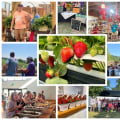
Agritourism services represent a unique intersection of agriculture and tourism, offering visitors an opportunity to engage with the farming lifestyle while enjoying the beauty of rural landscapes. This concept has gained significant traction in recent years, as more travelers seek authentic experiences that connect them to the source of their food and the traditions of farming communities. By participating in agritourism, guests not only enjoy recreational activities but also gain valuable insights into sustainable practices, local ecosystems, and the challenges faced by farmers today.At its core, agritourism encompasses a wide range of activities, from farm stays and harvest festivals to educational workshops and guided tours. These experiences are designed to educate visitors about agricultural processes while providing them with hands-on opportunities to participate in farm life.
The benefits of agritourism extend beyond mere enjoyment; they foster a deeper appreciation for food production and promote local economies by encouraging visitors to support small farms and artisan producers.As the agritourism sector continues to evolve, understanding its services becomes crucial for both operators and guests. Engaging and educating visitors through interactive experiences not only enhances their stay but also cultivates a lasting connection to the land and its stewards. In the following sections, we will explore various strategies that agritourism providers can implement to effectively engage guests and enrich their educational journey.
Creating Interactive Experiences
Engaging guests in agritourism services requires creativity and a focus on interactive experiences that foster learning and connection with the land. Here are some effective ways to create memorable and educational activities for visitors:- Guided Farm Tours: Organizing guided tours of the farm allows guests to explore various aspects of agricultural life.
During these tours, hosts can share insights about sustainable farming practices, crop cycles, and the importance of biodiversity. This not only educates guests but also deepens their appreciation for local agriculture.
- Hands-On Workshops: Offering workshops where guests can participate in activities such as cheese-making, bread-baking, or vegetable gardening can significantly enhance their experience. These hands-on activities allow participants to learn new skills while directly interacting with the products of the farm.
- Seasonal Harvest Events: Hosting seasonal events like apple picking or pumpkin carving can attract families and groups looking for fun, interactive experiences. These events provide an opportunity for guests to engage with the harvest process and understand the effort that goes into food production.
- Cooking Classes: Incorporating cooking classes that utilize fresh produce from the farm can be a delightful way to educate guests about farm-to-table concepts.
Participants can learn about nutrition, cooking techniques, and how to prepare meals using seasonal ingredients.
- Animal Interactions: Allowing guests to interact with farm animals can be a highlight of their visit. Activities such as feeding chickens, milking cows, or grooming goats not only entertain but also teach visitors about animal husbandry and welfare.
Utilizing Technology in Agritourism
In the evolving landscape of agritourism services, leveraging technology is essential for enhancing guest experiences and providing educational opportunities. By integrating modern tools, agritourism operators can create immersive and interactive experiences that resonate with visitors.Virtual Tours
One of the most effective ways to engage guests is through virtual tours.These tours allow potential visitors to explore farms and agricultural sites from the comfort of their homes. Utilizing high-quality video and 360-degree photography, operators can showcase their unique offerings, such as crop production, livestock care, and sustainable practices. This not only piques interest but also educates guests about the intricacies of farming.
Mobile Applications
Another innovative approach is the development of mobile apps for agritourism. These applications can serve multiple purposes:- Interactive Maps: Help guests navigate the farm or agritourism site, highlighting key attractions and educational stations.
- Event Calendars: Keep visitors informed about upcoming events, workshops, and seasonal activities.
- Educational Content: Provide articles, videos, and quizzes that enhance understanding of agricultural practices and sustainability.
Online Resources
Additionally, creating a robust online presence with educational resources can further engage guests.Blogs, webinars, and social media content can be utilized to share insights about farming techniques, environmental stewardship, and local food systems. This not only positions the agritourism business as a thought leader but also fosters a community of informed visitors who are more likely to return.In conclusion, by embracing technology through virtual tours, mobile applications, and comprehensive online resources, agritourism services can significantly enhance guest engagement and education. This not only enriches the visitor experience but also promotes a deeper appreciation for agriculture and its vital role in our society.
Educational Workshops and Programs
Engaging guests in agritourism services goes beyond mere enjoyment; it involves providing them with valuable knowledge about the agricultural practices that sustain our food systems. One effective way to achieve this is through educational workshops and programs designed to immerse guests in the world of farming.Types of Educational Workshops
- Hands-on Farming Experiences: Allow guests to participate in daily farm activities, such as planting, harvesting, or caring for animals.
This not only educates them about the labor involved in food production but also fosters a deeper appreciation for local agriculture.
- Sustainability Practices: Offer workshops that focus on sustainable farming techniques, such as organic farming, permaculture, and water conservation. These sessions can empower guests to adopt eco-friendly practices in their own lives.
- Cooking Classes: Incorporate local produce into cooking classes where guests learn how to prepare meals using fresh ingredients. This not only highlights the importance of local food systems but also encourages healthy eating habits.
Programs for Guests
In addition to workshops, structured programs can enhance the educational experience. Consider implementing:
- Farm Tours: Guided tours that explain the various aspects of farm operations, from crop rotation to livestock management, can provide guests with a comprehensive understanding of agricultural practices.
- Guest Speakers: Invite local farmers or agricultural experts to share their knowledge and experiences.
This can create a dialogue between guests and professionals, enriching the learning experience.
- Seasonal Events: Host events that coincide with planting or harvest seasons, allowing guests to witness and participate in these critical times on the farm.
Collaborating with Local Experts
Collaborating with local experts is a cornerstone of successful agritourism services. By partnering with individuals who possess deep knowledge and experience in agriculture, culinary arts, and education, agritourism operators can create enriching experiences that resonate with guests.Farmers
are invaluable resources in this collaboration. They can offer firsthand insights into sustainable farming practices, crop cycles, and the challenges of modern agriculture.Organizing farm tours where guests can interact with farmers allows for a deeper understanding of where their food comes from. This not only educates visitors but also fosters a connection between them and the land.
Chefs
can enhance the agritourism experience by showcasing local produce through cooking demonstrations or farm-to-table dinners. These events highlight the importance of seasonal ingredients and promote local cuisine, making the experience both educational and delicious. Guests can learn about the nutritional benefits of fresh produce while enjoying meals prepared with care and creativity.Educators
, such as agricultural extension agents or environmental scientists, can provide workshops or lectures on topics like soil health, biodiversity, and sustainable practices.These sessions can be tailored to different age groups and interests, ensuring that all guests leave with valuable knowledge.Moreover, engaging with local artisans and craftspeople can add another layer to the experience. Workshops on cheese-making, pottery, or organic gardening not only support local economies but also allow guests to take home a piece of their agritourism adventure.In summary, forming partnerships with local experts enriches agritourism experiences by providing authenticity and depth. This community engagement not only enhances guest satisfaction but also promotes a greater appreciation for local culture and agriculture.
Promoting Sustainable Practices
Incorporating sustainable agritourism practices into your offerings not only enhances the guest experience but also serves as a powerful educational tool. By showcasing eco-friendly methods, you can inspire visitors to adopt similar practices in their own lives.One effective way to promote sustainability is through hands-on activities that allow guests to engage directly with the land.For instance, consider offering workshops on organic farming techniques or permaculture design. These experiences can teach guests about soil health, crop rotation, and the importance of biodiversity.Additionally, providing guided tours that highlight your farm's sustainable practices can be enlightening. During these tours, you can explain how you manage resources like water and energy efficiently. Discussing the benefits of using renewable energy sources, such as solar panels or wind turbines, can further emphasize your commitment to eco-friendly tourism.
- Implementing Waste Reduction Strategies: Educate guests on composting and recycling initiatives on your farm.
Demonstrating how waste can be minimized not only helps the environment but also encourages guests to adopt similar habits.
- Promoting Local Produce: Highlight the importance of supporting local economies by sourcing ingredients from nearby farms. This not only reduces carbon footprints but also fosters a sense of community.
- Encouraging Wildlife Conservation: Share information about local wildlife and how guests can help protect their habitats. This could include creating birdhouses or planting native species that support local ecosystems.
Feedback and Continuous Improvement
Gathering guest feedback is essential for enhancing the quality of agritourism services.By actively seeking input from visitors, agritourism operators can identify strengths and areas for improvement, ultimately leading to a more engaging and satisfying experience.
Methods for Collecting Feedback
- Surveys: Distributing surveys at the end of a visit can provide valuable insights. These can be paper-based or digital, allowing guests to share their thoughts on various aspects of their experience.
- Feedback Forms: Placing feedback forms in strategic locations, such as at the exit or in common areas, encourages guests to share their opinions while the experience is still fresh in their minds.
- Online Reviews: Monitoring online platforms where guests leave reviews can help operators understand public perception and identify recurring themes in feedback.
- Social Media Engagement: Engaging with guests on social media platforms allows for real-time feedback and fosters a sense of community. Encouraging guests to share their experiences can also provide organic insights.
For instance, if multiple guests mention that a particular tour was too short or lacked depth, consider extending the duration or adding more informative content.
Improving guest experiences
is an ongoing process. Regularly updating offerings based on feedback not only enhances satisfaction but also demonstrates to guests that their opinions are valued. This can lead to increased loyalty and positive word-of-mouth marketing.Incorporating guest suggestions into future planning can also create a more personalized experience. For example, if visitors express interest in hands-on activities, consider adding workshops or interactive sessions that allow them to engage more deeply with the agritourism experience.Ultimately, fostering an environment where guest feedback is actively sought and acted upon will not only improve agritourism services, but also create memorable experiences that encourage repeat visits and referrals.Conclusion: The Future of Agritourism Engagement
As we look towards the future of agritourism services, it is clear that engaging and educating guests will remain at the forefront of successful agritourism experiences.The integration of innovative practices and technology will play a crucial role in enhancing visitor engagement. One significant trend is the use of interactive experiences. Farms can implement hands-on activities such as fruit picking, animal feeding, or cooking classes that allow guests to immerse themselves in the agricultural process. These activities not only educate visitors about farming practices but also create memorable experiences that encourage repeat visits. Moreover, leveraging digital platforms for storytelling can enhance guest education. Virtual tours, online workshops, and social media engagement can provide insights into farm operations and sustainability practices.
This digital presence can attract a wider audience and foster a community interested in agritourism. Another important aspect is the emphasis on sustainability and local culture. Guests are increasingly seeking authentic experiences that connect them to the land and its heritage. By showcasing local produce, traditional farming methods, and cultural events, agritourism services can create a deeper connection between visitors and their surroundings. In conclusion, the future of agritourism engagement lies in creating dynamic, educational experiences that resonate with guests. By embracing innovation, sustainability, and community involvement, agritourism services can not only attract more visitors but also foster a greater appreciation for agriculture and its vital role in our lives.